



How to Make Your Playground Inclusive (SEN-Friendly Equipment Guide)
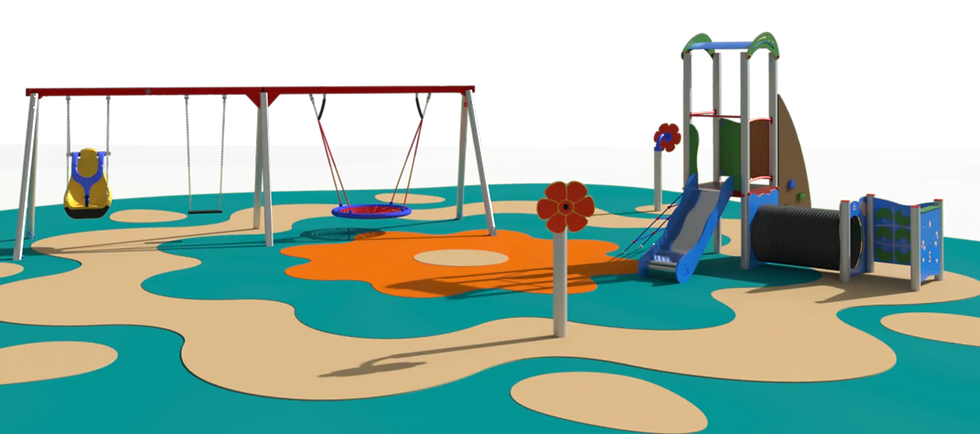
Creating an inclusive playground means designing a space where every child can play, explore, and feel included—regardless of ability. For schools, crèches, and community spaces, this is no longer optional; it’s an essential part of modern play design.
In this guide, we’ll explain what inclusive (SEN-friendly) playgrounds involve, what equipment to choose, and how to design a space that works for all children.
What Is an Inclusive Playground?
An inclusive playground is designed so that children of all abilities can:
Play together
Access equipment easily
Feel safe and supported
This includes children with:
Physical disabilities
Sensory processing needs
Autism
Learning differences
👉 The goal is participation, not separation
Why Inclusive Play Matters
Inclusive play spaces support:
Social development – children learn from each other
Confidence building – every child can succeed
Physical activity – adapted equipment encourages movement
Emotional wellbeing – reduces isolation
For schools and crèches, it also helps meet inclusion and accessibility standards.
Key Principles of SEN-Friendly Playground Design
1. Accessibility First
Wide, level pathways
Wheelchair-friendly surfaces (e.g. wet pour, bonded rubber)
Step-free access to key areas
2. Sensory Play Opportunities
Many children benefit from sensory stimulation—or calming environments.
Include:
Sand and water play
Musical panels
Textured surfaces
Quiet sensory zones
3. Clear Layout & Zoning
A well-organised playground helps children feel safe.
Create zones such as:
Active play (climbing, running)
Quiet areas (seating, sensory play)
Social spaces
4. Safe & Supportive Equipment
Choose equipment that provides:
Stability
Gradual challenges
Multiple ways to play
Best SEN-Friendly Playground Equipment
🛝 Inclusive Swings
Basket swings (group or supported use)
High-back seats with harness
👉 Allow children with limited mobility to join in
🧗 Low-Level Climbing Frames
Easier access points
Handrails and support features
👉 Build confidence without overwhelming challenge
🎵 Sensory & Musical Panels
Drums, chimes, interactive boards
👉 Great for:
Sensory engagement
Cooperative play
🏠 Playhouses & Quiet Spaces
Safe retreat for children who feel overwhelmed
Supports emotional regulation
⚖️ Balance Equipment
Stepping stones
Low beams
👉 Improves coordination and motor skills
🎠 Accessible Roundabouts
Flush-to-ground design
Wheelchair accessible
👉 Encourages shared play
Surfaces Matter More Than You Think
The right surface can make or break accessibility.
Best options:
Wet pour rubber
Rubber tiles
Artificial grass (with proper base)
Avoid:
Loose gravel
Uneven grass areas
Common Mistakes to Avoid
❌ Designing for “special use” instead of inclusion
❌ Too much focus on physical disabilities only
❌ Overstimulating environments (too noisy/bright)
❌ Lack of quiet or retreat spaces
Practical Tips for Schools & Crèches
✔️ Involve Staff & Parents
They understand children’s needs best.
✔️ Start Small
You don’t need a full redesign:
Add a sensory panel
Upgrade a swing
Improve surfaces
✔️ Think Long-Term
Choose durable, low-maintenance equipment suitable for daily use.
Funding Opportunities for Inclusive Playgrounds
Inclusive projects are often more likely to receive funding because they align with:
Accessibility
Community benefit
Child development
Schemes linked to:
Department of Rural and Community Development
Local Authorities Ireland
👉 Tip: Highlight inclusion clearly in your application—it strengthens your case significantly.
How We Can Help
We work with schools and crèches to design inclusive playgrounds by providing:
SEN-friendly equipment recommendations
Layout planning and ideas
Safe, durable installations
Grant-ready quotes
👉 Whether you’re upgrading a small area or planning a full playground, we can help you create a space that works for every child.
Final Thoughts
An inclusive playground isn’t about adding a few extra features—it’s about designing a space where every child belongs.
By focusing on accessibility, sensory play, and thoughtful design, you can create a playground that supports:
Learning
Development
Joy for all children
Need Help Designing an Inclusive Playground?
Get in touch today for advice or a quote—we’re happy to help you create a safe, engaging, and inclusive play space.
Inclusive products catalogue


Comments