



Playground Equipment for Crèches: What to Consider

Outdoor play is an essential part of early childhood development. For crèches and childcare providers, a well-designed outdoor play space helps children stay active, develop coordination and learn through exploration.
Choosing the right playground equipment for a crèche requires careful thought. Safety, durability and age suitability are all important factors, especially when equipment is used by groups of young children every day.
Here are some key things to consider when planning a play area for early years settings.
Choose Equipment Designed for Younger Children
Children in crèches are usually between 1 and 5 years old, so equipment should be designed specifically for early years use.
Good options include:
Low climbing frames
Small slides
Toddler swings
Balance beams
Activity panels
Playhouses for role play
Lower platforms and easy climbing access help children build confidence while reducing risk.
Encourage Different Types of Play
A good outdoor play area should support several types of play and learning.
Physical play
Climbing, balancing and swinging help develop strength, coordination and motor skills.
Imaginative play
Playhouses, shops and role-play structures encourage children to create stories and interact with others.
Social play
Group play equipment allows children to cooperate, share and communicate.
Combining these elements creates a balanced play environment.
Plan for Durability
Playground equipment in crèches is often used by many children throughout the day. Choosing durable materials is important to ensure the equipment lasts over time.
Timber play equipment is a popular option for early years environments because it:
blends naturally into outdoor spaces
is strong and long-lasting
provides a warm and natural play environment
Regular inspection and basic maintenance will also help extend the life of the equipment.
Consider Playground Surfacing
Surfacing plays an important role in both safety and maintenance.
Common options include:
Grass safety mats
Rubber tiles
Play bark or wood chippings
Wet pour rubber surfaces
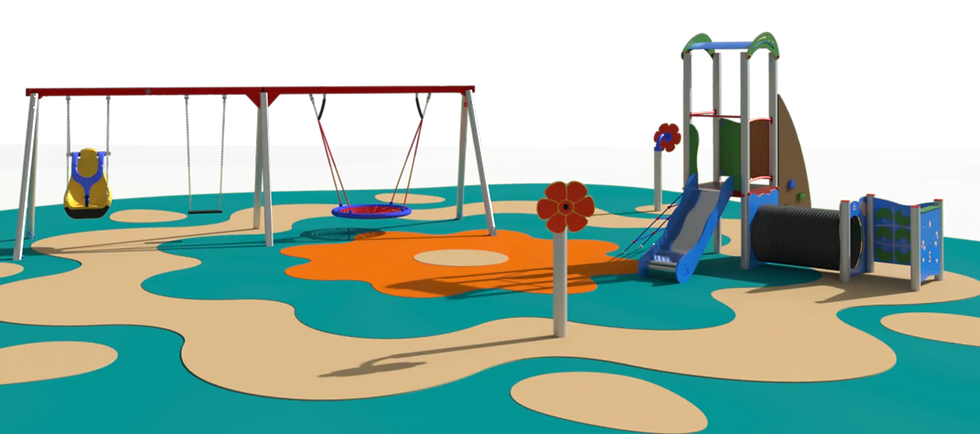
The right surfacing helps absorb impact and protects the ground in high-use areas, particularly under swings and climbing equipment.
Create Zones for Different Activities
Dividing the play area into small zones can make the space easier for children to use and easier for staff to supervise.
For example:
Climbing and active play area
Swing area
Imaginative play space with playhouses
Quiet or sensory play corner
This approach keeps the play area organised and encourages different types of activity throughout the day.

Choose Flexible Equipment
Children’s interests change quickly. Equipment that can be adapted or expanded over time can be very useful.
Some play structures allow accessories such as:
rope ladders
gym rings
climbing ropes
additional swing seats
This allows the play space to evolve as children grow.
Supporting Learning Through Outdoor Play
Outdoor play spaces are more than just a place to run around. They support learning in areas such as communication, problem-solving and social development.
Simple structures like a playhouse can quickly become a shop, post office, café or Garda station, helping children explore everyday situations through imaginative play.
Planning a Crèche Play Area
Every childcare setting is different, and the best playground layout depends on the available space, age groups and daily activity levels.
If you’re planning a new play area or upgrading existing equipment, it’s often helpful to start with a simple layout that includes climbing, imaginative play and open space for movement.
Need Advice?
If you're planning outdoor play equipment for a crèche or early years setting, we're always happy to help. With the right equipment and layout, even a modest outdoor space can become a safe and engaging environment where children enjoy active play every day.


Comments